Safety and Human Factors
Planners in 16 North American host cities get creative to transport millions of FIFA World Cup soccer fans, athletes, and ...
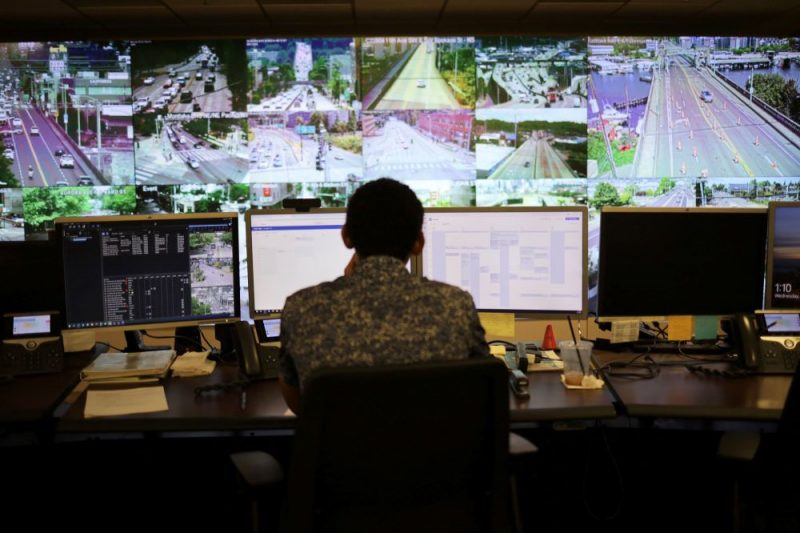
A TRB guide explores ways to harness AI and data from traffic cameras, automated vehicles, and other systems to evaluate ...
Yinhai Wang and Mehrdad Nasri
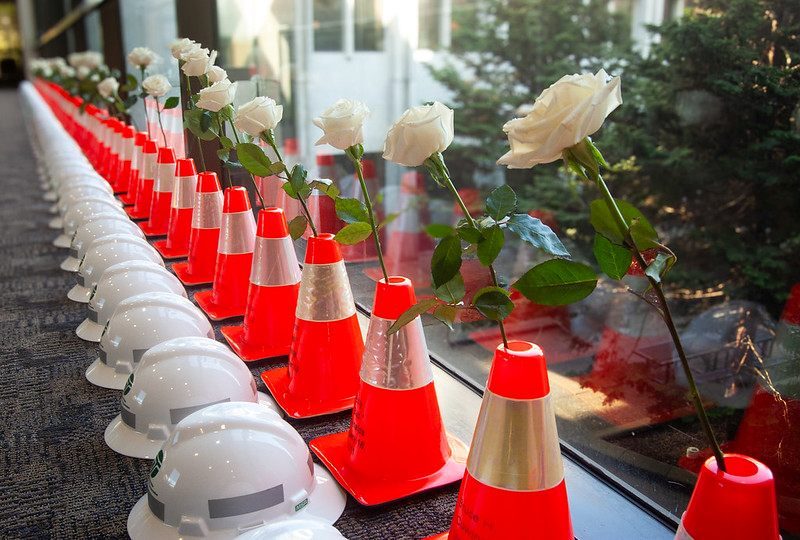
In the United States, motor vehicle death rates are about five times higher than in Australia, Canada, Japan, and some ...
By Joseph L. Schofer and David O. Willauer
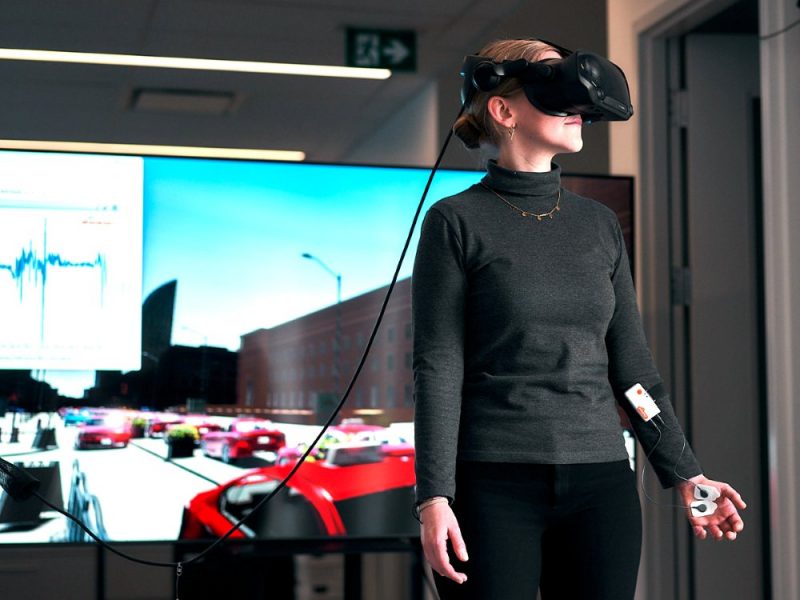
Canadian researchers are using virtual reality to improve traffic safety by studying the behavior of pedestrians as they cross a ...
Through the Connecting the West Program, Utah DOT is leading a three-state effort to build a network of smart transportation ...
Responding to a request from Congress, a consensus study committee finds that the U.S. Coast Guard’s Certificate of Compliance Program ...
By Katie Turnbull and Mark Hutchins
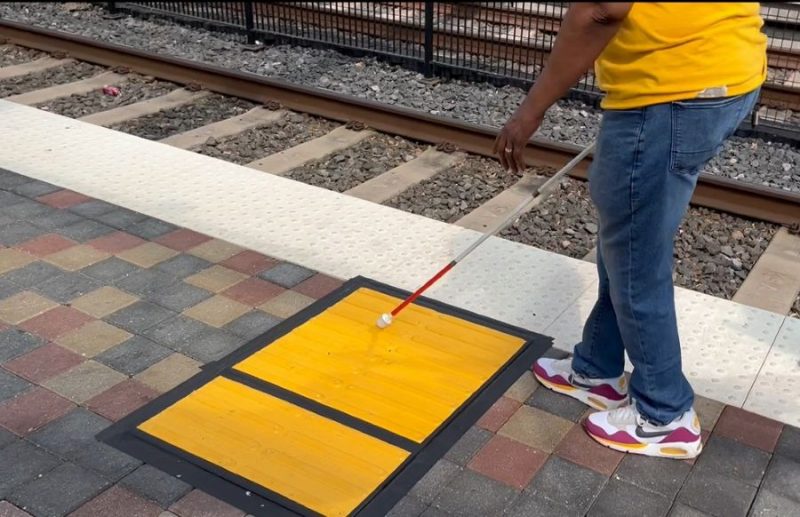
A TCRP Research Report examines how tactile walking surface indicators can help people who are blind or visually impaired navigate ...
By Karen Febey
A TRB research project used behavioral change theories to identify key components of effective employer-based driver safety programs and develop ...
By Eva M. Shipp and Emily Martin
An NCHRP synthesis examines how state departments of transportation are implementing safety measures that FHWA deems effective in reducing crashes ...
By Arefeh Nasri
A BTSCRP research report and web-only document outline guidance to help transportation agencies reduce the frequency and severity of accidents ...
A Transit Cooperative Research Program research report offers resources that can help transit agencies identify and mitigate adverse workplace conditions. ...
By Karen Febey
Incorporating safety measures such as traffic-calming features, separation barriers, and public transit stops can enhance safety and accessibility of rural ...