Design

News Brief
Numbered highways rolled out nationwide a century ago and have helped countless motorists navigate America’s vast roadway network ever since. ...
Profile
Donald Streeter is vice president of the Concrete Division at the New York Construction Materials Association and owner and manager ...
Highlights
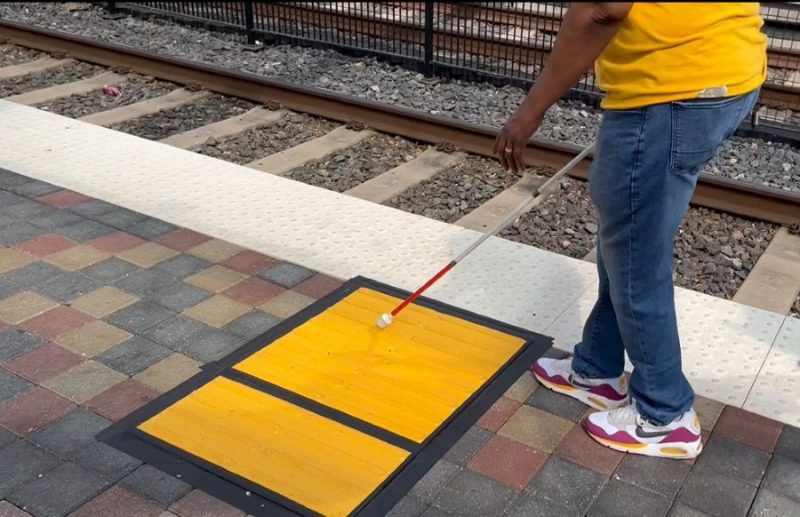
A TCRP Research Report examines how tactile walking surface indicators can help people who are blind or visually impaired navigate ...
Feature
Converting degraded low-volume roads from paved to unpaved can boost safety and preserve vital transportation networks. ...
Feature
For 30 years, U.S.-sponsored training for low-volume and forest road engineers has been conducted in numerous developing countries. ...
Feature
Ensuring that low-volume roads remain functional—despite increasing environmental challenges—is essential for maintaining economic stability, improving disaster response capabilities, and safeguarding ...
News Brief
New York City will use “hardened daylighting” to redesign high-crash intersections with planters and other barriers. ...
Feature
Building a low-volume road requires developing ingenuity, executing innovation, and maximizing local resources. ...
Feature
Incorporating safety measures such as traffic-calming features, separation barriers, and public transit stops can enhance safety and accessibility of rural ...
Feature
TRB's latest roundabout guide offers design and implementation guidance that align with nationwide safety initiatives. ...

Brian L. Ray and Lee Rodegerdts

Highlights
Bridge design often involves the use of complex structural analysis models. NCHRP Synthesis 620 explores the quality processes for bridge ...
Feature
Once expected to maneuver alongside vehicular traffic, bicyclists across the United States are now cruising along in their own designated ...
Scroll to Top

Help us improve TR News