
 Phil Roeder, Flickr, CC BY 2.0
The Airport Cooperative Research Program (ACRP) held an Insight Event titled Preparing U.S. Airport Infrastructure for Weather Events on May 7–8, 2025. Insight Events convene industry practitioners and professionals to identify emerging topics of interest in the aviation industry, discuss promising new practices, and identify related research needs.
This event brought together airport-industry practitioners, key stakeholders, and subject-matter experts to explore strategies for strengthening airport infrastructure in response to major storms and other weather events. This article highlights several key takeaways from the event and summary published as TRB’s Transportation Insights 8.
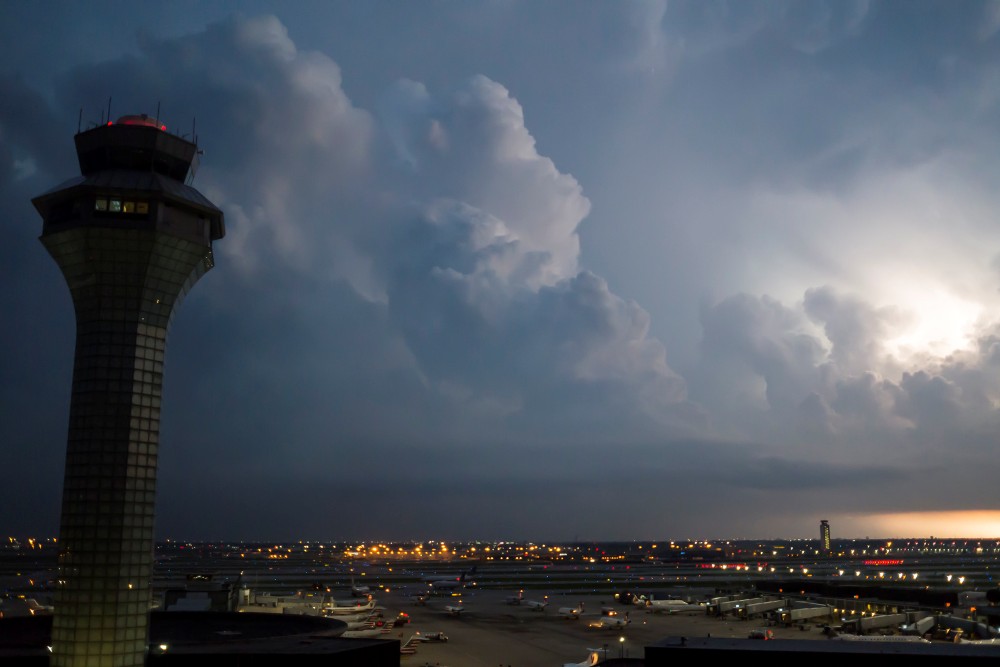
The escalating frequency and intensity of weather events are driving the need for new approaches to airport infrastructure planning, operations, and investment. Airports must consider the effects of increasingly severe weather events to ensure that facilities, infrastructure, and operations are resilient. The ACRP Insight Event focused on identifying opportunities to prepare for and respond to the increase of natural disasters across the United States, as well as the critical role that airports can play in disaster response and emergency preparedness.
 Joe Shlabotnik, Flickr, CC BY-NC-SA 2.0
Lessons from Experience and Research
Panelists representing airports, local jurisdictions, aviation consultants, and researchers shared perspectives on changing weather patterns, planning and preparedness, response and recovery, and related resources. Panelists and participants also shared success stories, most effective practices, and lessons learned related to airport infrastructure preparedness. On the final day, participants identified potential research topics and resource needs to strengthen the resilience of airport infrastructure and operations.
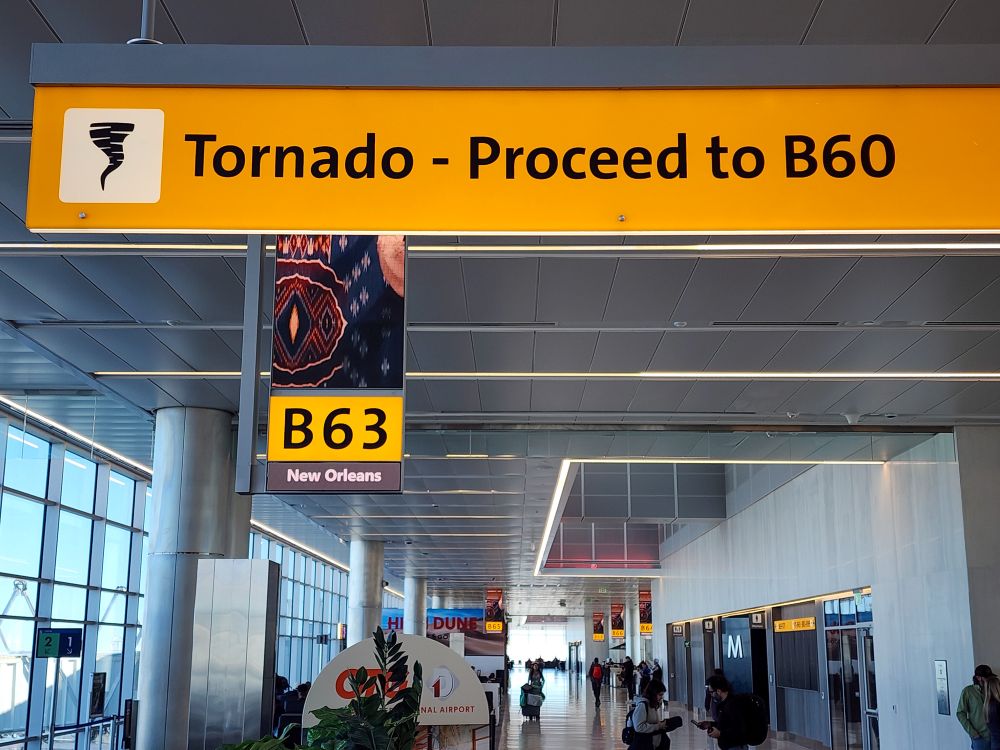
Day 1 keynote speaker Sunny Wescott, Chief Meteorologist at the U.S. Department of Homeland Security, set the tone by describing weather conditions and recent weather patterns in the United States that are affecting human health, infrastructure, and operations for various modes of transportation, including aviation. Examples included extreme heat, high tornado activity, severe winter weather events, and quick fluctuations between low- and high-pressure systems.
The second day’s keynote speaker, Erin Cooke, Sustainability and Environmental Policy Director of the San Francisco International Airport in San Francisco, California, highlighted the development of the airport’s Climate and Natural Hazard Vulnerability Assessment and Resilience Plan. She discussed the resilience plan’s framework, which focuses on identifying hazards, critical assets, vulnerabilities, and risks. She also shared examples of other resilience-related planning efforts and projects at the airport, including the construction of a recycled water treatment plant and development of an Electrical Shortage Response Plan to manage power outages during heat waves.
The Insight Event featured three panel sessions focused on the following topics:
- Hurricane Helene’s impacts and recovery from the destructive 2024 storm in Asheville, North Carolina;
- Opportunities for stakeholder coordination and partnerships; and
- Potential funding pathways for infrastructure projects.
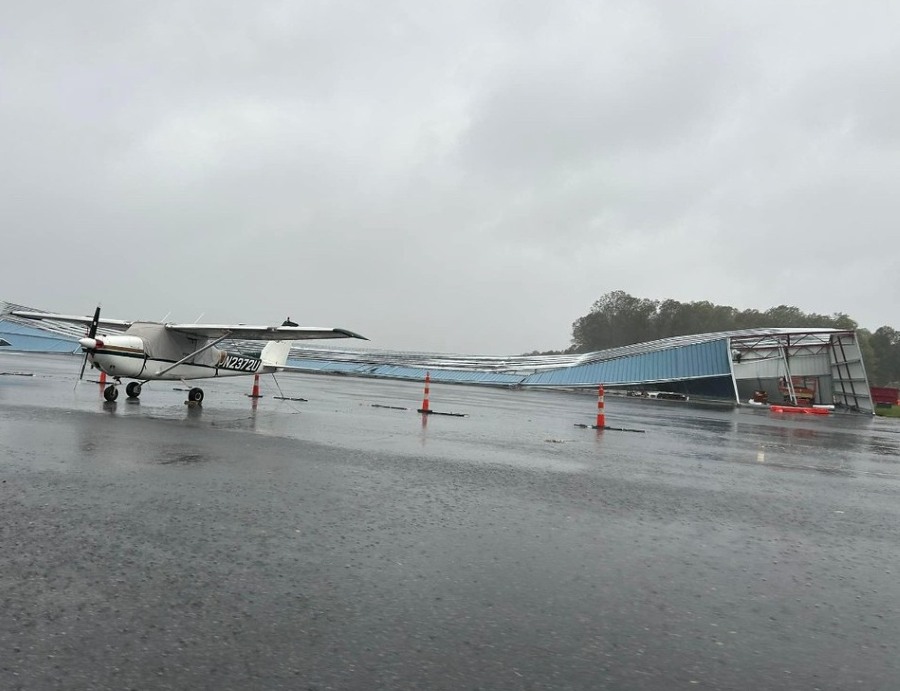
The Hurricane Helene panel session featured speakers from the Asheville Regional Airport, North Carolina Department of Transportation (DOT), and Southeast Airports Disaster Operation Group. Panelists provided powerful and emotional accounts of the catastrophic inland flooding, landslides, and hurricane-force winds that affected the region, as well as the devastating effects on infrastructure and communities. Speakers explored the operational challenges and lessons learned during the emergency response to Hurricane Helene to help plan for future catastrophic weather events. They also shared personal accounts of emergency response at the Asheville Regional Airport and highlighted a North Carolina DOT after-action report that may serve as a valuable resource for other airports.
 North Carolina DOT, Flickr, CC BY 2.0
The stakeholder coordination and partnerships panel session featured multiple perspectives, including collaboration efforts between the Portland International Airport in Portland, Oregon, and local partners to address extreme weather and natural disaster resilience. Located in the Pacific Northwest adjacent to the Columbia River, the airport faces risks related to flooding and other stressors, including heat, wildfires, and drought. Because of the geology of the region and an anticipated Cascadia Subduction Zone earthquake, the Port of Portland—which owns and operates the airport—is planning for seismic resilience. The Port of Portland has a long history of coordinating with federal, state, and local partners related to resilience planning for critical infrastructure to withstand this seismic event. The airport has recently constructed a seismically resilient terminal and two passenger concourses. It is also planning for a future seismically resilient runway that could support critical services during a recovery response for the region.
Additional highlights are detailed in Transportation Insights 8, which includes a summary of the entire Insight Event, session discussions, and contributions from speakers. Readers also can find resources to support planning for weather events and changing conditions at their airports and in their surrounding communities.