
 Minneapolis Public Works and Transportation Planning and Programming, Flickr, CC BY 2.0
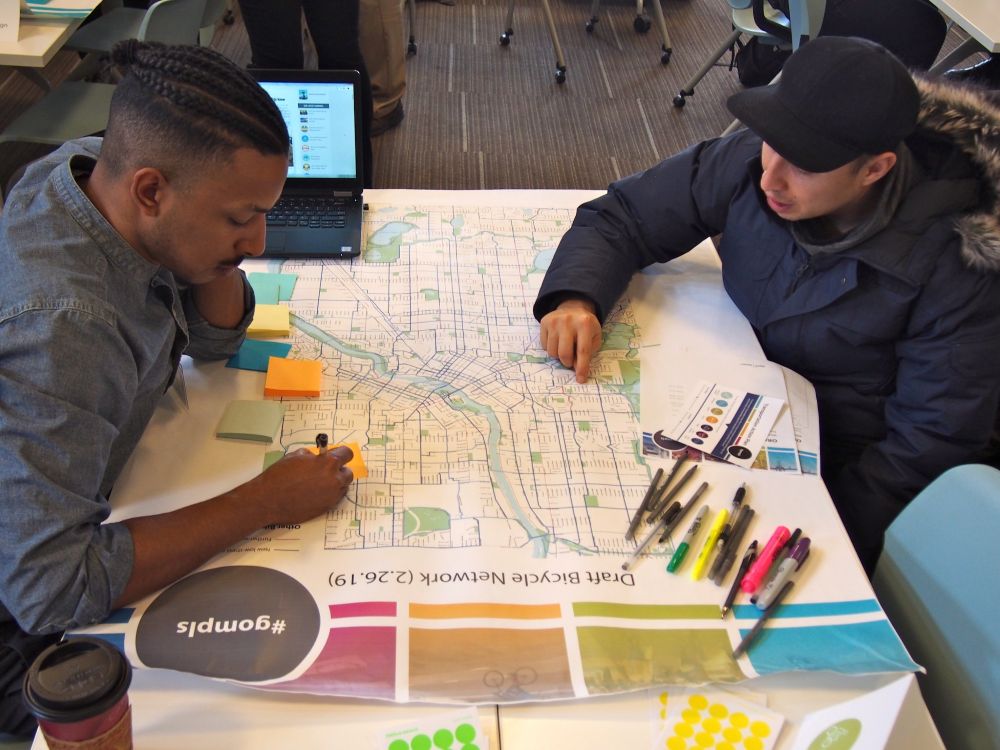
Stakeholder input plays a critical role in shaping transportation safety initiatives. But getting feedback from a broad array of experts, agency officials, and community members can be time-consuming and expensive. What if the process could be reworked to generate numerous solutions in one session?
That is the objective of Behavioral Traffic Safety Cooperative Research Program (BTSCRP) Project BTS-24, “Multi-Solving Safety Approach: Stepping Away from Silos to Achieve a Safer System.” Multi-solving is a cost-efficient way of addressing multiple problems with a single investment of time and money by bringing together stakeholders from different sectors and disciplines. By applying this approach to transportation safety, engagement—from committee structures to conversations—can be framed to identify integrated behavioral and engineering solutions at a system level that benefits various road users, locations, and stakeholders.
Led by researchers at Iowa State University, BTSCRP Project BTS-24 aims to help redefine stakeholder engagement during the development of safety plans, interventions, programs, projects, and policies so that outcomes focus on multi-solving decision making and implementation. Deliverables include a guide to promote and facilitate collaboration by diverse, cross-sector groups.
Stakeholder engagement has been integral to the project. A major strength of TRB’s Cooperative Research Programs (CRP) is the ability to bring together a variety of subject matter experts to review draft materials developed by research teams and make technical contributions to the preparation of final deliverables. Such feedback, as a supplement to oversight by CRP project panels, provides perspectives from a range of practitioners and other stakeholders to further strengthen research results and tailor final products for real-world application.
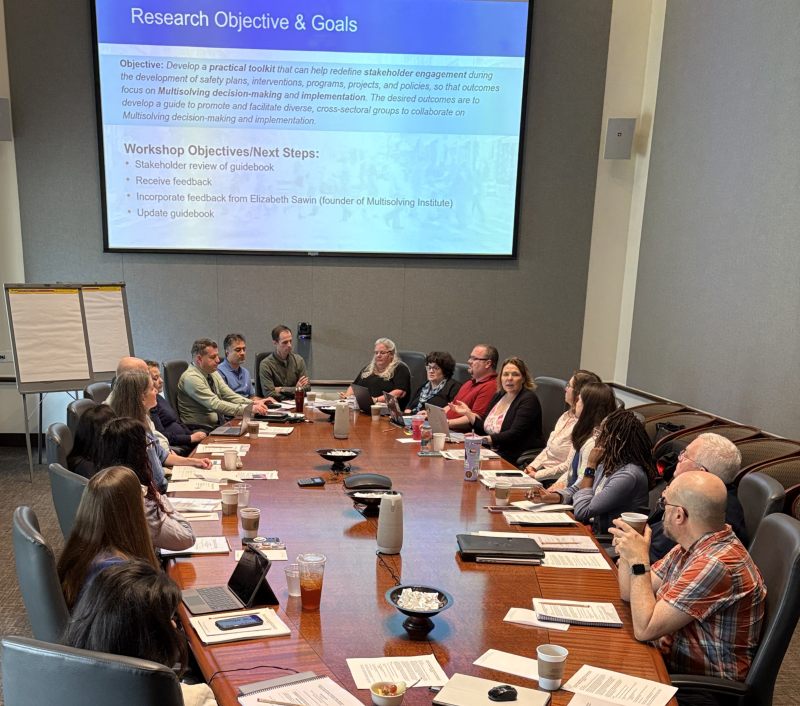
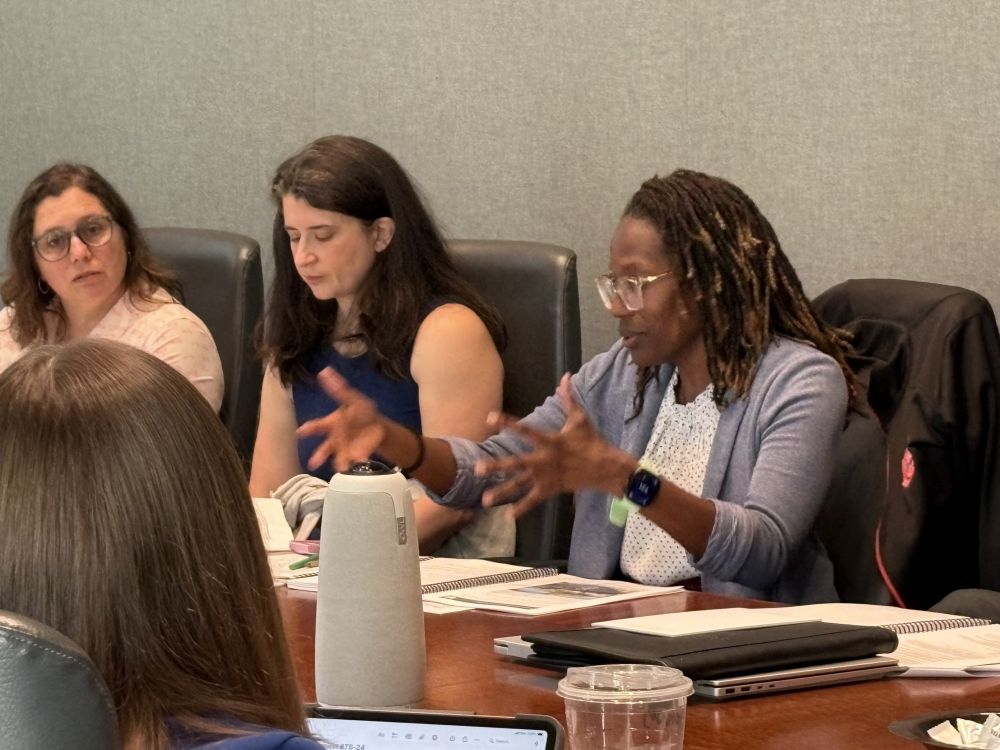
Stakeholder workshops are often built into research projects that require broad industry input to ensure that technical content and messaging produced by research teams are appropriate for the intended audiences. To obtain stakeholder feedback, BTSCRP Project BTS-24 conducted an in-person workshop at the National Academies’ Beckman Center in Irvine, California, on March 25, 2026.
 Richard Retting, TRB Staff
The workshop brought together 20 traffic safety stakeholders from 10 geographically dispersed states—California, Georgia, Maryland, Michigan, Minnesota, New York, North Carolina, Oregon, Washington, and Wisconsin. The group included representation from state and county DOTs, county departments of public works and road commissions, a city traffic engineer, state police, metropolitan planning organizations, the National Rural Technical Assistance Program, Families for Safe Streets, the National Park Service, and Tribal officials. Also in attendance was the panel chair for BTSCRP Project BTS-24, Veronica O. Davis, Vice President of Planning, Engagement, and Urban Design at AtkinsRéalis.
 Richard Retting, TRB Staff
The guide and other deliverables from BTSCRP Project BTS-24 are expected to be available in early 2027.