Highways
This theme issue on international low-volume roads looks at road use, technological innovations in their construction, maintenance and safety considerations, ...
By David Jones
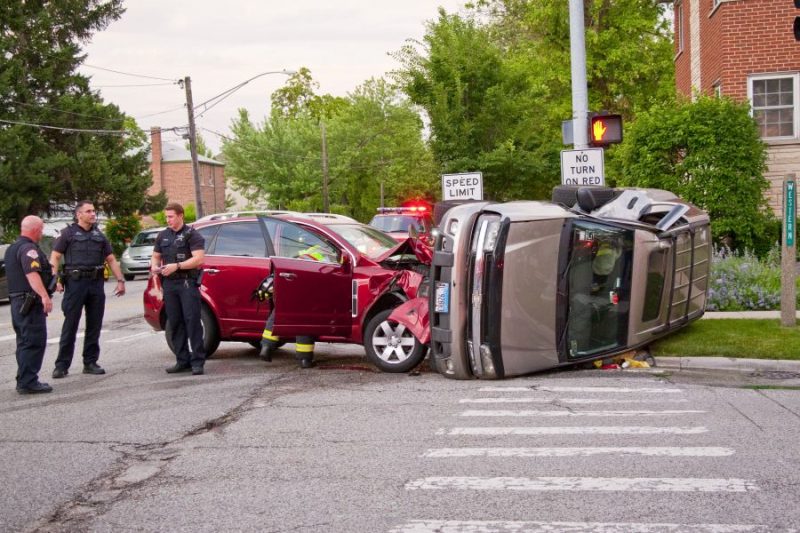
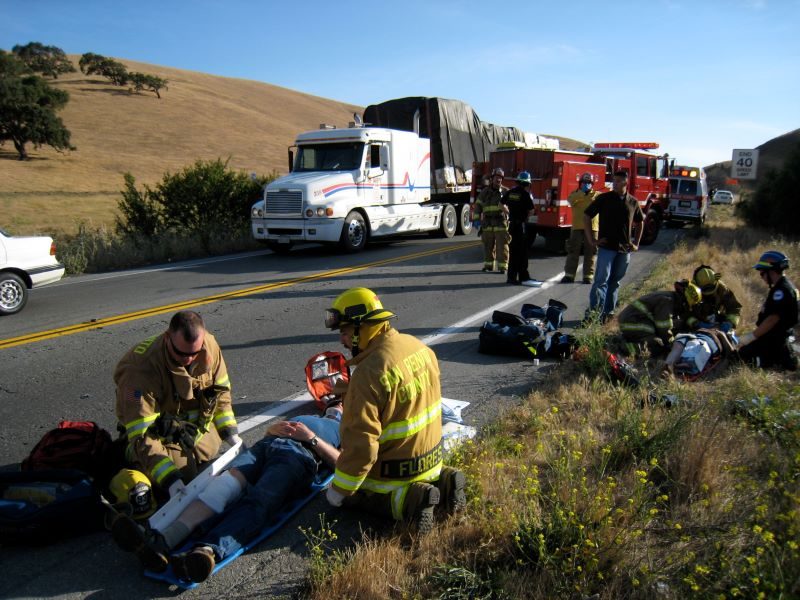
A BTSCRP research report and web-only document outline guidance to help transportation agencies reduce the frequency and severity of accidents ...
Incorporating safety measures such as traffic-calming features, separation barriers, and public transit stops can enhance safety and accessibility of rural ...
Building a low-volume road requires developing ingenuity, executing innovation, and maximizing local resources. ...
By Mike Pinard
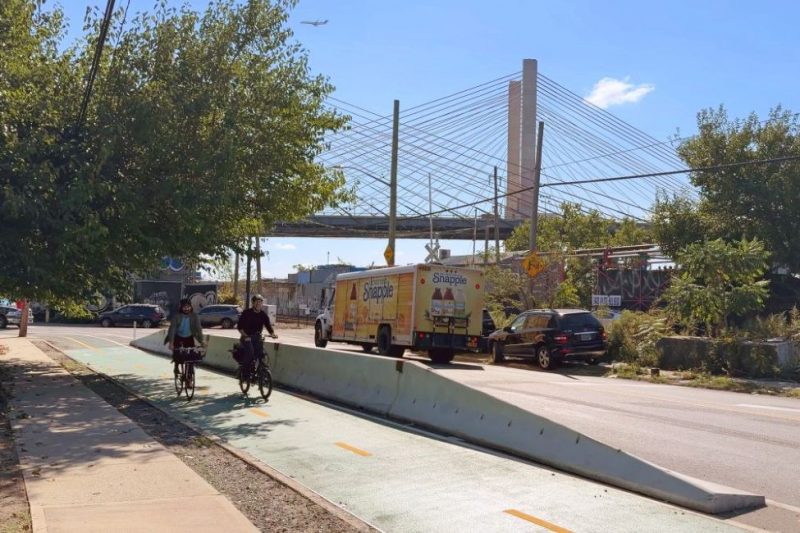
New York City will use “hardened daylighting” to redesign high-crash intersections with planters and other barriers. ...
A study finds that E-bikes shift daily travel habits and have benefits that include reducing congestion. ...
Young presenter awards and other efforts aim to promote low-volume road management as a fulfilling career. ...
By David Jones
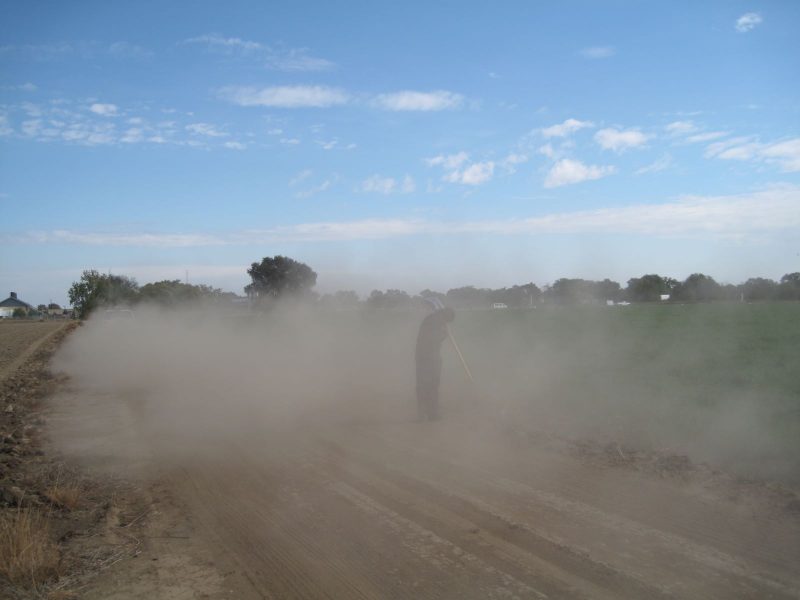
Ensuring that low-volume roads remain functional—despite increasing environmental challenges—is essential for maintaining economic stability, improving disaster response capabilities, and safeguarding ...
For 30 years, U.S.-sponsored training for low-volume and forest road engineers has been conducted in numerous developing countries. ...
Converting degraded low-volume roads from paved to unpaved can boost safety and preserve vital transportation networks. ...
By David Jones
Utah Department of Transportation is enhancing its data-collection process to ensure that lane markings are easier to see in all ...
Steven E. Shladover, Research Engineer at the University of California, Berkeley, who specializes in intelligent transportation systems. ...