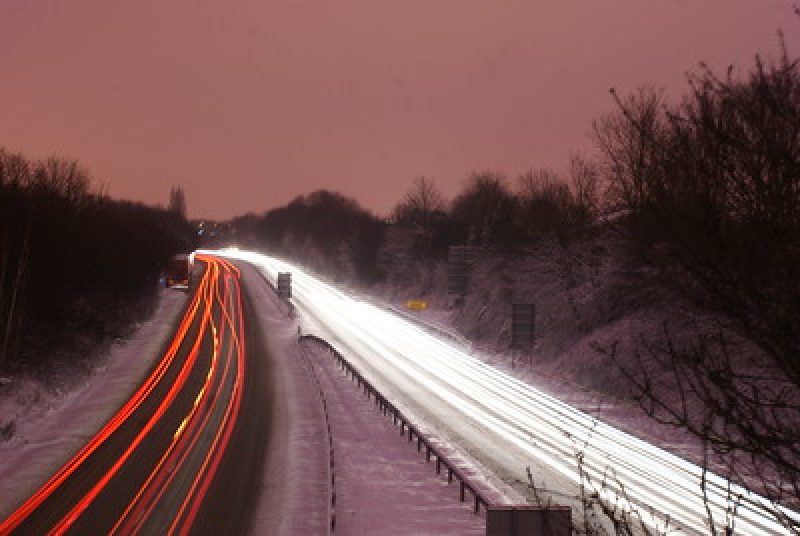

David Mensching’s career in transportation began taking shape in his preschool days. “I learned to read by studying the street signs in my South Florida hometown,” he recalls. “And I was always enamored with the maze of pavements that connected everything. I went from reading signs to studying maps of the Interstate Highway System to playing city simulation video games. When it came time to apply for colleges, my dad said civil engineering was a major that people who loved roads pursued—so there I went.”
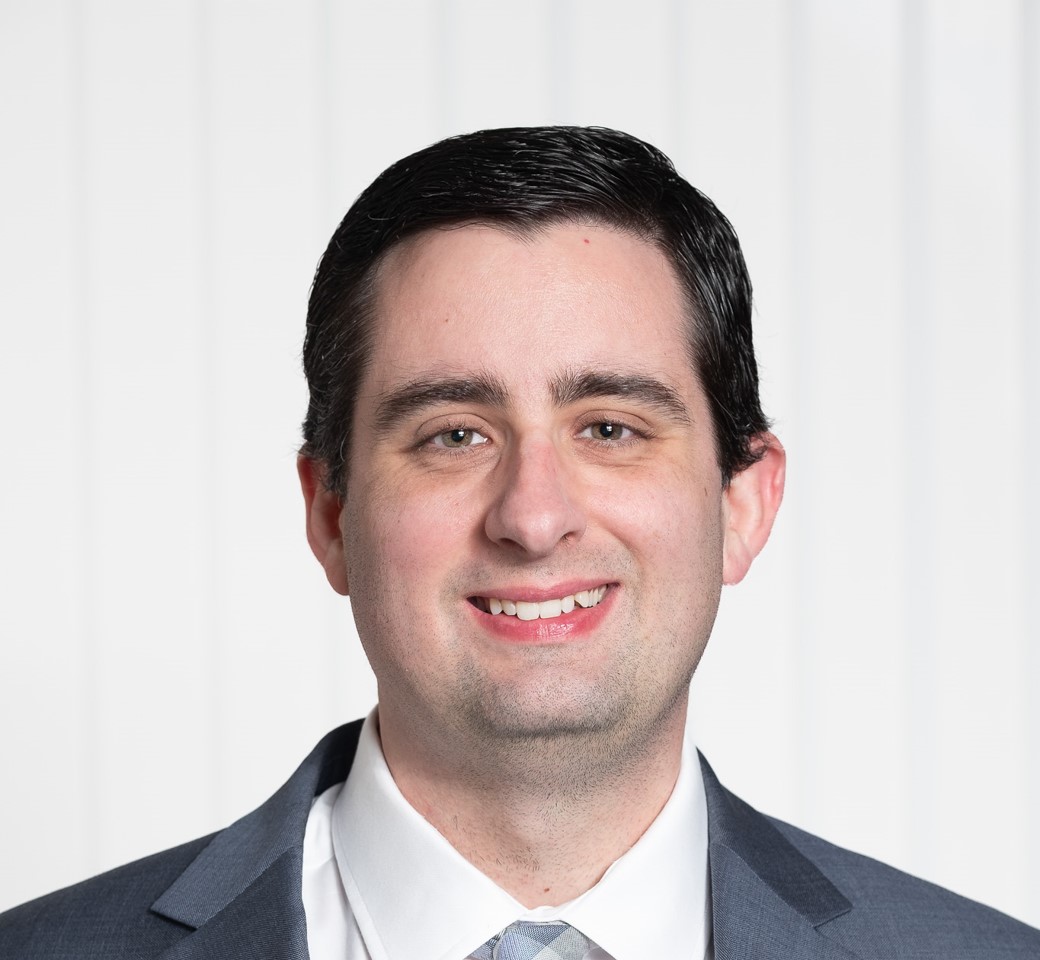
During Mensching’s studies at Villanova University in Pennsylvania, a lecture on graduate research opportunities captured his interest. “At Villanova, the available transportation-focused research path was in pavements—specifically asphalt,” he notes. “So, after consulting with my advisor, Leslie Myers, I gave it a try and found it to be fascinating and fun! Everything influences how asphalt behaves: temperature, time, where the crude oil came from. There’s always so much to learn about it.”
During this period, Mensching began volunteering with TRB as a Young Member on the former Standing Committee on Flexible Pavement Design. Later advice from Myers and postdoctoral advisor Nelson Gibson, who “share a deep passion for the science of asphalt and making transportation work better,” inspired Mensching to join federal service.
After earning his PhD in 2015, his first job was as a research associate at FHWA. Except for a six-month stint as the acting deputy director of the U.S. Department of Energy, Mensching has built his career at FHWA, where he currently serves as the team leader for Infrastructure Materials at the Turner–Fairbank Highway Research Center in McLean, Virginia. “I’m fortunate to be part of a tremendously talented team,” he says. “Together, we strive to identify, study, and build confidence in the latest and greatest materials advancements for improved durability of pavements and bridges.”
Mensching believes that—for the average traveler—materials are often a forgotten element of the transportation experience. “The impact that good materials and construction make on our everyday lives is profound,” he explains. “If research can extend the life of an infrastructure asset by mere percentage points, then the benefits to taxpayers skyrocket into the billions of dollars. My job is to ensure that my team has the tools they need to give the public fewer potholes and construction delays, safer streets, and more cost-effective infrastructure.”
He also believes in taking chances. “Advancements in my career always trace back to taking a chance at being an asset for someone,” he shares. “I took a chance on a rotational assignment at the U.S. Department of Energy to learn a new perspective. It became a major turning point in my career. In research, especially, you need to take chances to realize innovation.”
Mensching credits his mentors with encouraging this practice. “They have advised and demonstrated that failure is not something to be afraid of,” he continues. “Even if the chance doesn’t work out, there will be a lesson to be learned that will make you better than you were the day before.”
Over the years, Mensching has continued his involvement with TRB. “I’m grateful to Trenton Clark, my first committee chair, for giving me a shot at contributing to TRB,” he states. Since then, he has served as a member of six committees and as chair for two. In 2021 and 2022, he was also honored as the recipient of TRB’s Fred Burggraf Award for researchers 35 and younger. “I truly believe this organization is a premier and treasured venue for knowledge transfer in so many areas of transportation,” he adds.
Having worked in his profession for two decades, Mensching is well positioned to mentor and advise younger colleagues starting in the field. He offers the following guidance:
Be strategic about TRB Annual Meeting attendance.
“Carve out one session to attend that is outside of your focus area,” he advises. “Expand your horizons by studying how professionals in totally different areas of transportation address their problems.”
Understand the PhD journey.
“In this field, the PhD journey is as much about perseverance and personal growth as it is about having the greatest new model or finding,” he says. “Don’t let perfect be the enemy of good. Those committed to this path will emerge as independent researchers and more mature and grounded people. They’re capable of great things during and after the PhD pursuit.”
Don’t be afraid to talk to the giants in the field.
“In research, we’re often reading the papers of leaders in the field,” Mensching states. “Then we see them at conferences and other events, and it can be intimidating! But take it from me: They’re approachable and want to get to know newcomers.”
Mensching describes an encounter during his earliest days in research that helped him overcome this insecurity quickly. “I was a TRB committee member and the least experienced person in every room I entered,” he recounts. “However, I gave my thoughts here and there, volunteered to help, and my involvement took off in a good way. Then, I had my first National Cooperative Highway Research Program project team meeting with Matt Witczak, the Big Dog of Asphalt himself. No more than 10 minutes into meeting him, I spilled his coffee into his lap! I froze and couldn’t believe what I had done! But Dr. Witczak just laughed hysterically and was so consoling. Never be afraid to talk to your heroes, but definitely try not to spill their coffee on them.”
“If research can extend the life of an infrastructure asset by mere percentage points, then the benefits to taxpayers skyrocket into the billions of dollars.”
—David J. Mensching