
 David Jones, University of California Pavement Research Center, Davis
Low-volume roads (LVRs)—often unpaved—are increasingly affected by extreme weather events and shifting precipitation patterns, raising concerns about their resilience. Enhancing the climate resilience of these roads is vital for maintaining transportation networks and ensuring the well-being of communities that rely on them.
Climate resilience refers to a community’s ability to anticipate, prepare for, respond to, and recover from these extreme adverse weather impacts. For LVRs, this means that local road agencies implement strategies that not only protect the infrastructure but also ensure continued accessibility for local populations. Improving resilience involves assessing vulnerabilities, implementing adaptive designs, and investing in sustainable materials and construction practices.
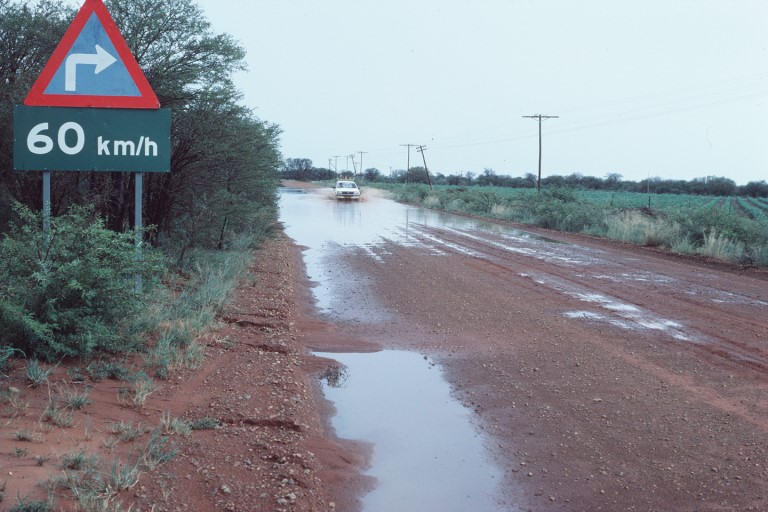
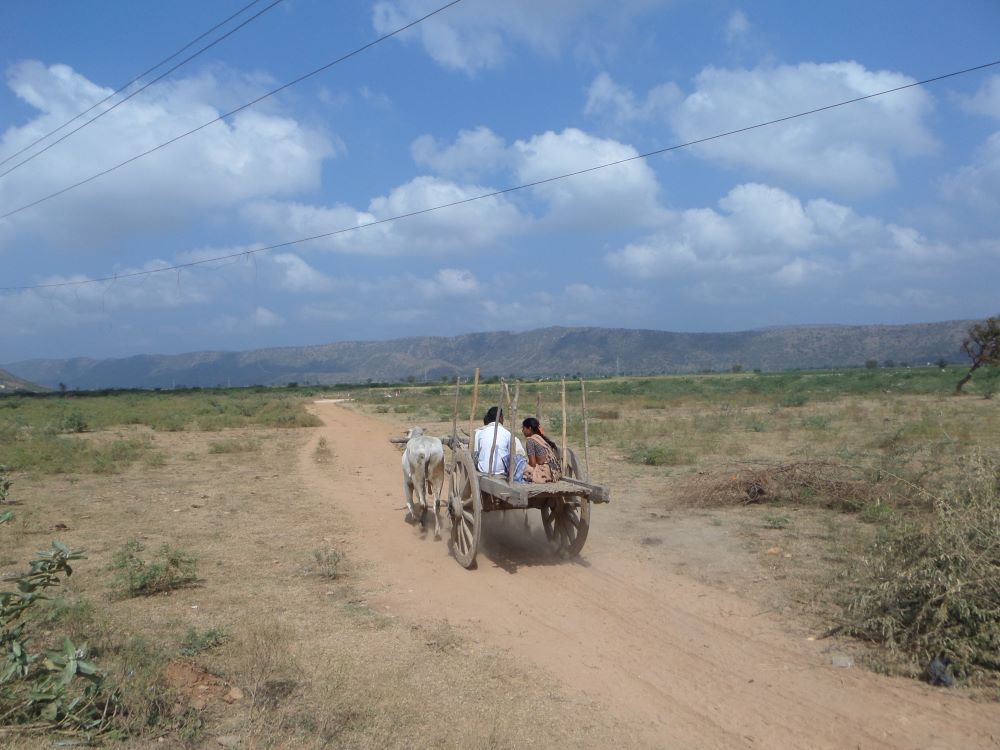
LVRs are particularly vulnerable to extreme weather events and shifting precipitation patterns because of their age; many evolved from paths and cart tracks rather than being engineered. They are often constructed using locally available, marginal, in situ materials and are frequently located in areas at high risk of flooding, such as coastal regions, floodplains, and near rivers. Limited and delayed maintenance further exacerbates their susceptibility to damage. Climate-related challenges such as heavy rainfall, storm surges, and flooding can lead to erosion, washouts, debris flows, failures caused by rutting, and landslides, making roads impassable and disrupting evacuations and emergency services.
 Rajaraman Sundaram, Wikimedia Commons, CC BY 3.0
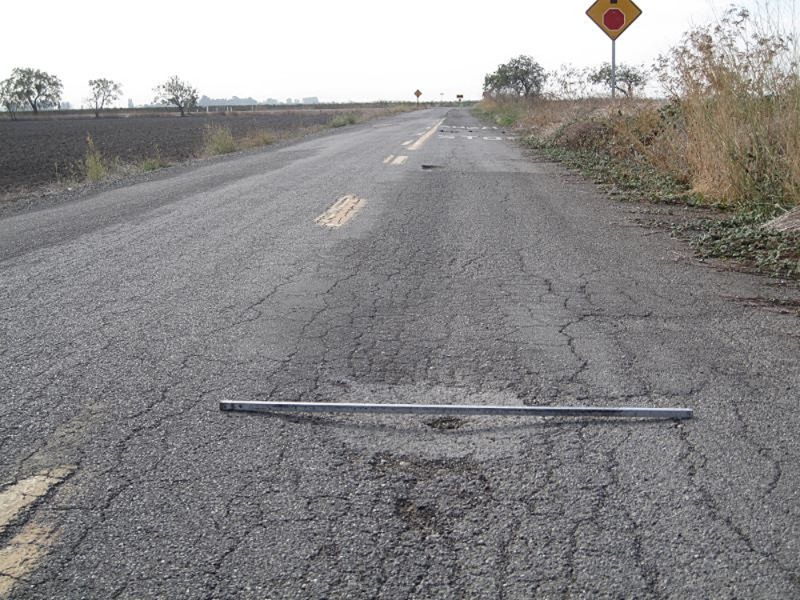
Droughts and heatwaves present additional threats. Extended dry periods accelerate the aging of bituminous surfaces, leading to cracks that allow rainwater to penetrate the underlying layers, which in turn leads to potholes and rutting. On unpaved roads, the loss of fine materials during prolonged droughts contributes to increased dust, washboarding, and ravelling, which degrade the road surface. In colder climates, fluctuating temperatures increase freeze–thaw cycles, further accelerating pavement deterioration. Additionally, more frequent and intense wildfires leave slopes barren, increasing the risk of erosion and debris flows when heavy rains return.
 David Jones, University of California Pavement Research Center, Davis
Addressing these challenges requires local road agencies to make climate resilience a fundamental component of road management. Any opportunity to enhance resilience during routine maintenance, rehabilitation, or upgrading should be considered, as even small investments in improvements can lead to major long-term savings and fewer disruptions. Ideally, road agency decision makers should be educated on the importance of resilience. Numerous guidelines on improving LVR resilience are available in Additional Resources (below).
A comprehensive vulnerability assessment of the road network—including slopes and levees—is crucial. This assessment ideally would analyze existing road and adjacent land conditions, account for changing local climate patterns, identify potential hazards, and implement a strategic plan to improve resilience. Engaging local communities in this process is valuable, as their firsthand knowledge of historical weather events, past floods, and road performance over time can help identify critical risk areas and inform mitigation options.
Adaptive design strategies that adjust to changing conditions play a key role in improving road resilience. Upgrading drainage systems is one of the most effective measures, as increasing crossfall to 4 percent (from the conventional 2 percent), deepening ditches and side drains, and installing more and larger culverts help move water off and away from the road more efficiently. In some cases, using permeable pavements allows water to be temporarily stored within the road’s structure without leading to potholes and rutting.
The selection of appropriate materials is equally important. When high-quality materials are unavailable, mechanically stabilizing marginal materials can create a stronger, more moisture-resistant layer. Recycled aggregates, such as old asphalt pavement, crushed concrete, and demolition waste, can also be blended into pavement layers. Geosynthetic materials or stabilization treatments using lime, cement, bitumen, or plant-based or alternative chemical treatments offer additional ways to enhance road durability.
In flood-prone areas, elevating or realigning roads away from vulnerable zones can significantly reduce damage risks. Increasing the thickness of subbase and base layers on paved roads—or the base and wearing-course layers on unpaved roads—by just a few centimeters can make a notable improvement in resilience.
Regular preventive maintenance is another essential factor in sustaining improvements. Deferred maintenance is a major reason why LVRs deteriorate, and proactive treatments such as crack sealing, surface treatments, and drain clearing help prevent minor issues from escalating into major problems. Regular inspections and timely repairs are essential to ensuring the longevity of these roads.
Incorporating green infrastructure can also help mitigate climate-related damage. Planting vegetation along road edges stabilizes the soil and reduces erosion risks, while vegetated bioswales can capture and filter stormwater, preventing excess runoff from damaging road surfaces. Reestablishing vegetation on burnt or cleared slopes slows water runoff and prevents erosion and debris flows. Fast-growing, noninvasive species such as vetiver grass can provide immediate stabilization while allowing slower-growing indigenous species to take root over time.
By integrating these strategies into the planning, design, and maintenance of LVRs, communities can enhance their resilience to the effects of a variety of extreme weather events. Ensuring that roads remain functional—despite increasing environmental challenges—is essential for maintaining economic stability, improving disaster response capabilities, and safeguarding the daily mobility of rural populations.