
 David Jones
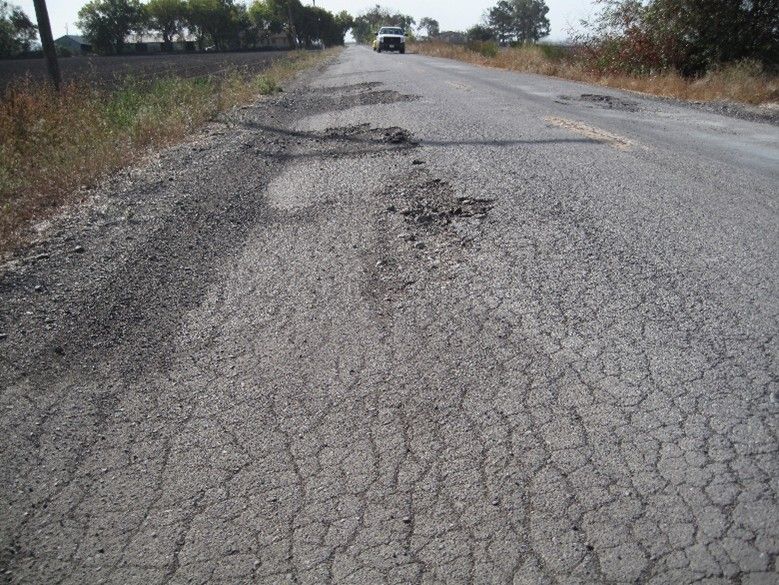
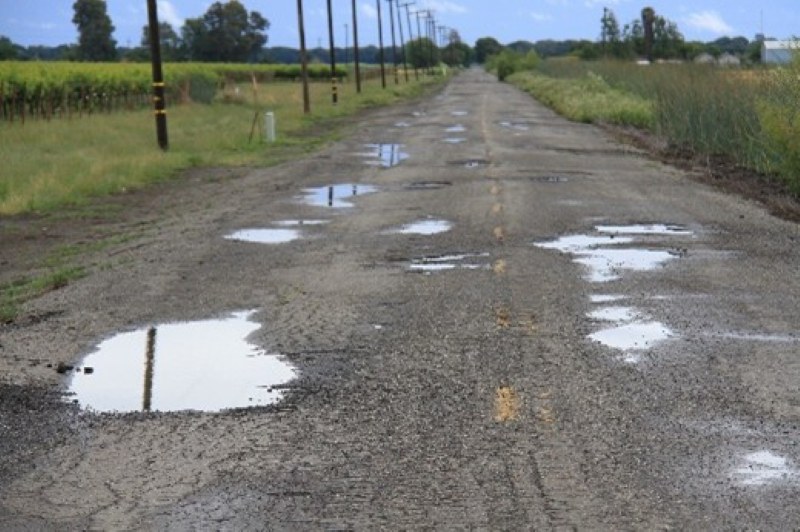
In many countries, a significant portion of the paved low-volume road network is severely distressed, primarily because of delayed maintenance of aging surfaces combined with the increasing size and weight of vehicles and equipment. In the past, these rural roads—which serve as vital transport routes for farmers, industries, and residents—were regularly maintained or resurfaced. But declining populations, rising traffic loads, escalating material costs, and stagnant or shrinking road maintenance budgets have left many agencies without the funding or resources to sustain these activities. As a result, much of the network has deteriorated to the point where major rehabilitation or reconstruction are the only viable options. However, traditional rehabilitation methods are often cost prohibitive and difficult to justify, given the low traffic volumes.
Engineered Unpaved Standard
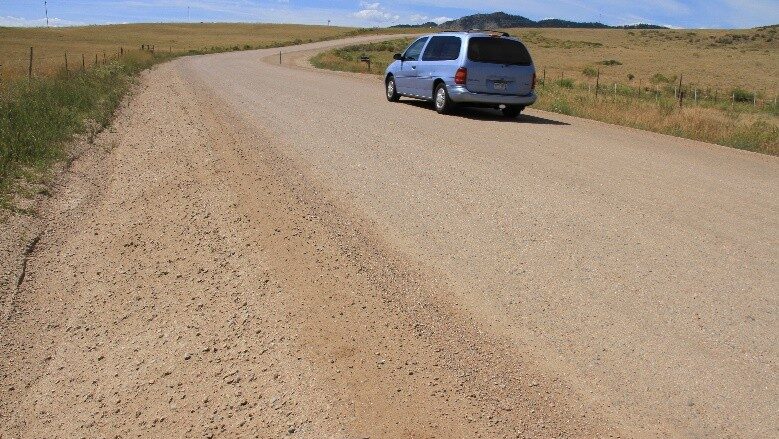
Established requirements for constructing and maintaining a road with a highly compacted, well-graded gravel surface that meets a performance-based specification, is cambered for good drainage, and can be treated with a chemical application to minimize dust and fines loss, thereby extending the intervals between required maintenance and regraveling.
To address this challenge, many local road agencies are exploring cost-effective alternatives, including converting roads with very low traffic volumes (i.e., an average of less than 200 vehicles per day) to an engineered unpaved standard. This approach offers a more manageable and financially sustainable solution. In 2020, Minnesota’s Local Road Research Board published A Guide to Successfully Convert Severely Distressed Paved Roads to Engineered Unpaved Roads—Final Report, including a related guidebook and other materials documenting the conversion process.
Multifaceted Approach
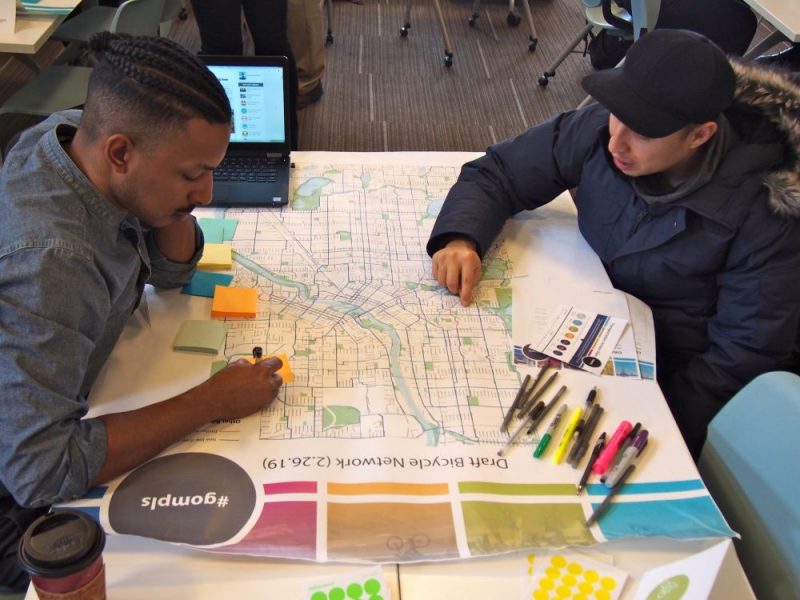
Converting a paved road to an engineered unpaved standard is often seen as retrogressing and met with resistance. Therefore, involving local residents and road users from the outset is a crucial part of the process. Public participation helps build acceptance—particularly when it is demonstrated that an engineered unpaved surface can provide safer and significantly improved driving conditions compared to a severely distressed paved surface. Additionally, if future funding permits, the road can be paved again with an appropriate surface treatment.
 David Jones
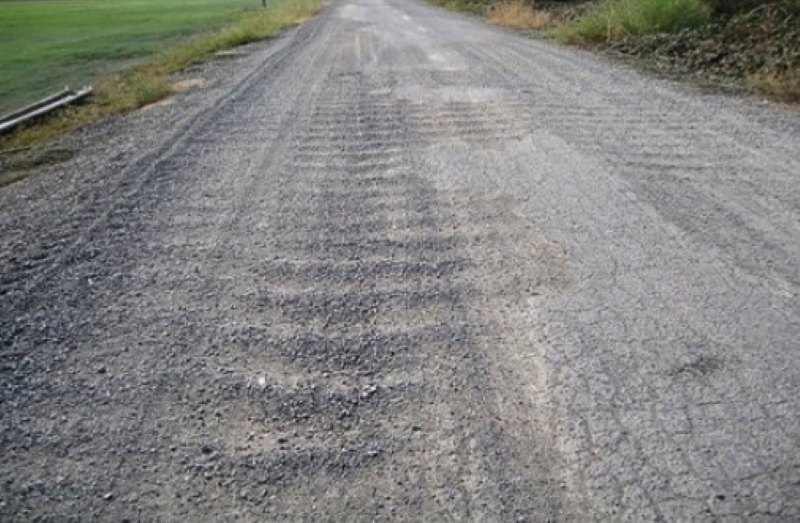
The conversion process typically involves pulverizing the existing pavement and shaping and compacting the material. If necessary, a chemical treatment may be applied to preserve fine aggregates and reduce dust. In some cases, supplementary aggregates are required to optimize performance and resilience. Should funding become available or traffic volumes increase, these roads can be resurfaced. Passive conversion—allowing the road to deteriorate naturally to an unpaved condition with minimal intervention—is not considered a viable option because of safety concerns, poor ride quality, and increased maintenance demands.
Generally, conversion to an engineered unpaved road is most appropriate for roads with annual average daily traffic below 150 vehicles—or below 200 vehicles if a suitable chemical treatment is applied. Higher traffic volumes may be feasible but would require more frequent maintenance. Conducting a life-cycle cost analysis using local inputs—such as the cost of salaries, equipment, and fuel—helps to determine the most appropriate strategy for low-volume road improvement. Although full-depth, in-place recycling of the existing road, followed by a bituminous surface (e.g., chip seal), often has lower life-cycle costs than conversion to an unpaved standard (especially for roads with annual average daily traffic above 150), many agencies lack the annual budgetary funds to cover the higher initial costs.
As with any pavement rehabilitation project, following sound engineering practice is critical to ensure a quality result. The primary goal of conversion is to significantly improve rideability, safety, resilience, and maintainability compared to the existing distressed paved road. This requires careful planning, including a thorough project investigation, proper road design, supervised conversion, and a well-structured maintenance strategy.
 David Jones
Project Analysis
A comprehensive project investigation is essential for any road improvement project, including conversion to an unpaved standard. This process provides critical information about the road’s condition, helping to confirm whether conversion is appropriate and if existing materials are sufficient or additional materials will be required. The cost of a thorough investigation is negligible compared to the total project cost. Moreover, skipping this step can lead to costly and potentially hazardous outcomes should unforeseen issues arise after construction.
The investigation includes a review of existing records, if available, to assess traffic history, safety concerns, and past maintenance activity. This is followed by a detailed road inspection to identify distresses and contributing factors, such as drainage problems. Potential safety issues are also assessed. Additionally, pavement layer thickness and subgrade bearing capacity are measured with a dynamic cone penetrometer, a handheld device widely used in geotechnical engineering and pavement evaluation to measure the strength and thickness of gravel and soil layers. In situ materials are sampled and tested to determine their suitability for conversion.
 David Jones
Identifying Materials
A material performance analysis is conducted using the shrinkage product—a key indicator of clay content—and grading coefficient (i.e., a ratio of coarse, intermediate, and fine particles) to predict long-term performance. The results help identify materials that will perform well and those that may be prone to erosion, washboarding, raveling, dustiness, or slipperiness. Additional blending may be required to optimize the material properties. If the existing materials do not meet expected performance criteria, blending options can improve their suitability. Common strategies include adding the following:
- Locally available clay (e.g., from subgrade material, agricultural fill dirt, or cleared drainage material) or commercially obtained bentonite clay to increase the shrinkage product and reduce the risk of washboarding and raveling.
- Coarse material [e.g., aggregate base, reclaimed asphalt pavement (RAP), or crushed concrete] to lower the shrinkage product, which reduces slipperiness, increases the California Bearing Ratio (CBR) (a commonly used strength test for road materials and subgrade soils), and improves the grading coefficient.
- Supplementary material (e.g., aggregate base or RAP) to increase the layer thickness. Since aggregate base and RAP typically contain very low fines, blending is often necessary to achieve the desired properties.
Design Considerations
Designing a conversion from a distressed paved road to an engineered unpaved standard requires several steps, including the following:
- Thickness design is based on in situ subgrade CBR, expected truck traffic, and anticipated future extreme weather events. Increasing structural thickness, combined with proper drainage, is often the most cost-effective way to improve resilience.
- Material design ensures that an optimal blend of in situ and supplemental materials is selected to create a resilient, long-lasting road surface. Manual and web-based tools, such as the Unpaved Road Material Design Tool and the Unpaved Road Chemical Selection Tool developed by the University of California Pavement Research Center, can assist in determining appropriate material blends.
- Drainage design ensures that water drains off and away from the road efficiently. Properly sized cross drains (i.e., pipes that channel water under a road from one side to the other) and stream crossings must be incorporated into the design.
- Chemical treatment selection may be required for dust control, material stabilization, and keeping fine particles on the road rather than blowing away. Several guidance documents and online tools are available to assist in selecting the appropriate chemical treatments based on factors such as surface materials, traffic, climate, and road geometry.
- Safety enhancements—such as appropriate signage, warning markers, and visibility improvements—ideally are integrated into the design based on the findings of the initial investigation and public consultation.
- A road conversion plan outlines the specific tasks required to execute the project effectively, whether the project is constructed by an agency team or a contractor.
- Project specifications ensure that the conversion meets quality standards, covering critical factors such as layer thickness, material properties, compaction density, and road shape.
- A structured maintenance plan is essential for long-term performance, outlining schedules for blading (i.e., smoothing), regraveling, clearing side drains and culverts, and reapplying chemical treatments at appropriate intervals.
Managing low-volume roads presents challenges worldwide, particularly when dealing with severely distressed paved roads. While full rehabilitation is often cost prohibitive, converting these roads to an engineered unpaved standard can provide a safer, smoother, and more sustainable solution. Although the concept of converting paved roads back to unpaved surfaces may initially be met with resistance, experience has shown that a well-designed engineered unpaved road performs significantly better than a deteriorated paved road and remains adaptable to future resurfacing when funding allows. By following a structured engineering approach, local agencies can ensure that road users benefit from improved ride quality, increased safety, and better long-term road resilience.