

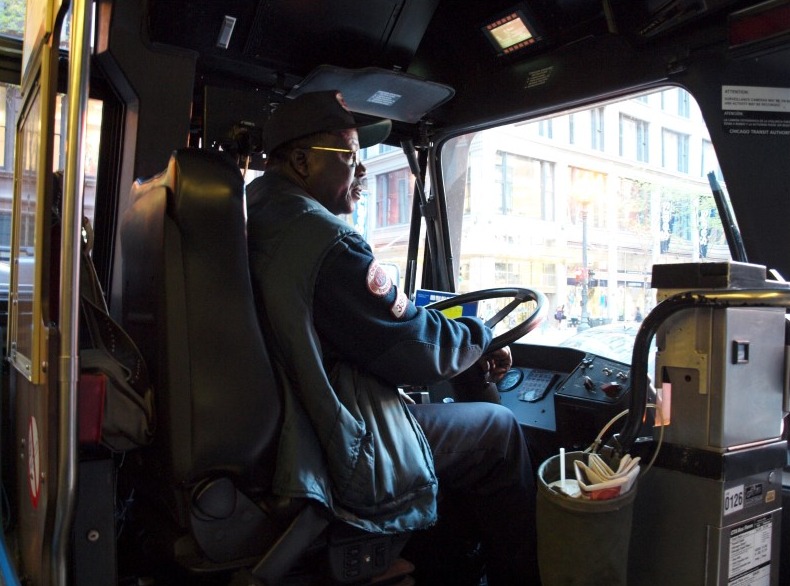
 TheeErin, Flickr, CC BY-SA 2.0
This article is partially derived and excerpted from TCRP Research Report 245: Mental Health, Wellness, and Resilience for Transit System Workers.
Transit operators and other frontline transit workers face adverse conditions while carrying out their duties. The COVID-19 pandemic not only exacerbated existing stressors but also created new ones—causing frontline workers to risk exposure to the deadly virus at a time when it disproportionately affected the health and well-being of transit workers. This was because of their status as essential workers and frequent exposure to the public.
Transit Cooperative Research Program (TCRP) Project F-29, “Mental Health, Wellness, and Resilience for Transit System Workers” was carried out using a multipronged approach to understand the existing research and agency practices related to transit worker well-being and gather feedback from frontline workers, agency management, and union leadership. The resulting TCRP Research Report 245: Mental Health, Wellness, and Resilience for Transit System Workers includes a survey of transit employees’ work conditions, suggestions for improvements, and a toolkit of strategies and effective practices.
Despite the May 11, 2023, formal declaration of the end of the COVID-19 public health emergency in the United States, the transit worker shortage continues. Transit agencies across the country are working to increase service levels, but they continue to be affected by a lack of operators, mechanics, and other personnel needed to provide normal service. Difficulty in retaining frontline transit workers is the result of multiple factors, and that includes stressors from everyday working conditions.
Bus operators are exposed to noxious chemicals and fumes, extended periods of sitting in rigid positions, difficult-to-navigate traffic and weather conditions, verbal and physical assault, and lack of restroom access. Rail operators and other frontline workers may also be exposed to harmful chemicals and fumes and encounter violent crashes or suicide by train. These occupational stressors and other work exposures affect physical health and can contribute to chronic conditions, such as heart disease and hypertension. Lack of bathroom access can cause mental distress, affect the cardiovascular system, and contribute to kidney and bladder problems among operators.
Besides difficulties that frontline transit workers face while carrying out their jobs, they also experience a variety of other stressors. Some struggle with work–life balance because of inconsistent work schedules. Labor shortages may necessitate overtime, which has negative implications for self-care and family care. In their personal lives, workers may also have difficulty finding affordable childcare, health care, and housing close to their agencies’ service area.
Possible solutions for transit agencies to address root causes of stressors and improve frontline workers’ mental health, wellness, and resiliency include the following:
- Revise policies that make it difficult for workers to take time off to care for family members.
- Identify strategies—such as the use of physical barriers—to reduce operator exposure to problematic passengers.
- Establish policies for addressing passenger drug use in transit vehicles.
- Improve communication and marketing efforts of mental health and wellness resources, including through employee assistance programs.
- Provide tips on improving bathroom access and break times, including through recommended standards for recovery and break time.
- Develop training materials to help transit agency service planners understand how the physical environment affects operator comfort and physical health.
- Develop a screening tool for potential candidates and transit agencies to measure a candidate’s compatibility with the job, which could help both sides ensure a good fit.
With this comprehensive set of resources and toolkit, transit agencies can identify and mitigate workplace factors that negatively affect frontline workers.