
 Courtesy of U.S. DOT
AI has transformed industries around the globe, from health care to finance and beyond. In late May 2025, transportation professionals from across the country gathered in Seattle to ponder a pressing question: How will AI transform the way people and goods move?
For three days, the TRB Conference on Data and AI for Transportation Advancement (DATA) drew researchers, practitioners, and policy makers eager to share progress and confront challenges. The excited energy in the room came not just from the technology itself but how rapidly it is moving from promise to practice.
In her opening remarks, TRB Executive Director Victoria Sheehan captured this shift. Real-time data and AI-driven insights, she said, are now essential. But as the tools grow more powerful, the questions they raise also grow more difficult.
From Pilots to Practice
One message rang out clearly: AI is no longer just experimental. Agencies are starting to weave it into daily operations. Sessions on multimodal freight, traffic operations, and infrastructure management spotlighted how tools once confined to labs are now helping agencies make decisions.
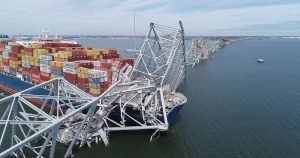
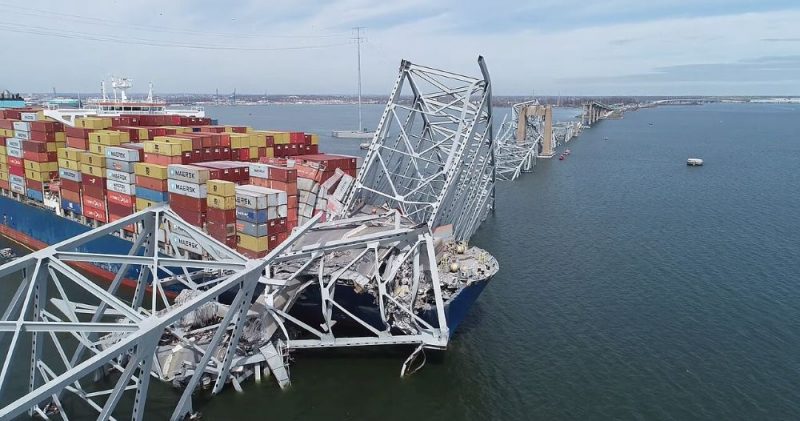
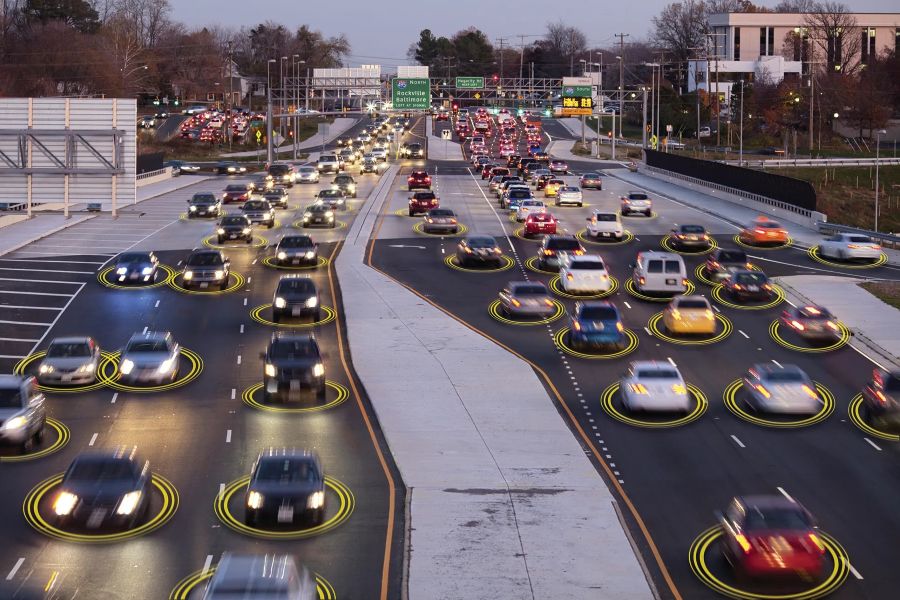
A session on machine learning for traffic operations highlighted predictive models that adjust signal timing and detect incidents before they snowball. Discussions on digital twins (i.e., virtual replicas of physical objects) revealed how agencies are simulating bridges and other complex structures to guide maintenance. What once felt futuristic is becoming standard practice.
Trust, Transparency, and Responsible Use
Technology may be racing forward, but trust in AI-assisted tools has lagged. Across plenary and breakout discussions, participants stressed that without clarity, fairness, and accountability, even the most advanced systems will not reach their potential.
 Arizona DOT, Flickr, CC BY-NC-ND 2.o
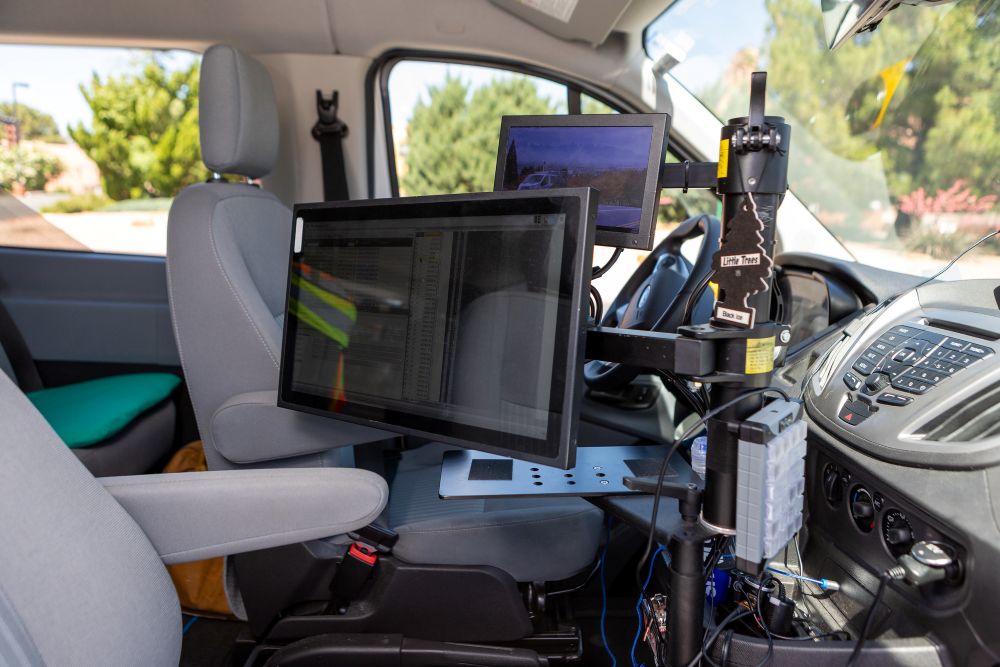 Arizona DOT, Flickr, CC BY-NC-ND 2.o
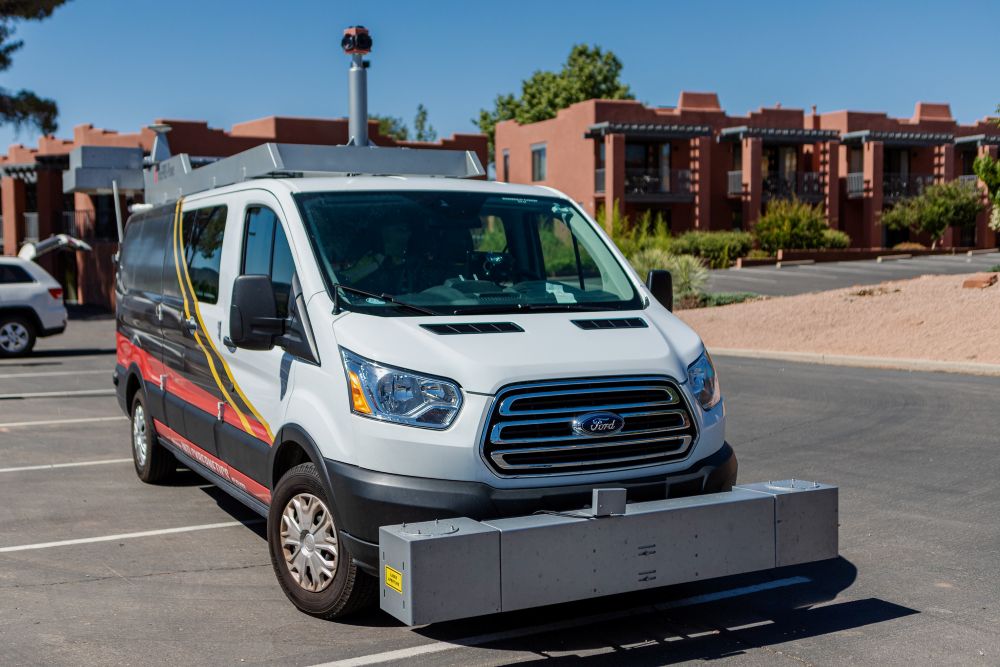
Sessions on responsible data use and chief information officer (CIO) perspectives emphasized that agency ethics and oversight matter as much as computer code. Whether discussing computer vision for asset inspection or generative AI for scenario planning, speakers urged practitioners to explain methods in plain language and show that decisions are fair so that the tools don’t seem like enigmas to potential users and those who will be affected by AI-enabled decisions. As one panelist noted, “The tools can only work if people believe in them.”
Working Together Across Sectors
The conference program also underscored that no single sector can go it alone. Collaboration among agencies, universities, and private companies is essential.
Field tours illustrated this point vividly. At the Microsoft campus in Redmond, Washington, conference participants stepped inside a global innovation hub to learn how commercial tools could be adapted for transportation. At the University of Washington’s Smart Transportation Applications and Research (STAR) Lab, researchers opened their doors to show how academic breakthroughs are already shaping applications on the ground.
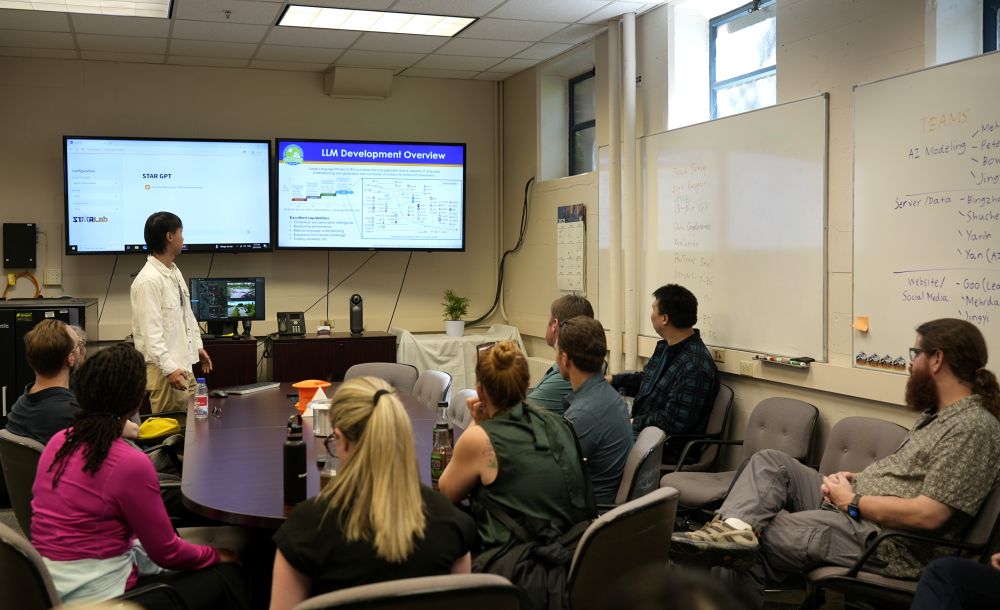 Courtesy of the University of Washington STAR Lab
Speakers throughout the conference echoed the message that the scale and complexity of AI demand partnerships that combine technical expertise, operational know-how, and policy guidance.
Building Workforce Readiness
Another theme running throughout the sessions was the importance of people. As one presenter put it, “The tools are ready. The real question is whether our organizations are.”
Sessions on data visualization, unstructured data, and survey analysis highlighted the need for training and organizational support. Building readiness is not just about technical skills. It means building staff confidence in using data and fostering leaders who encourage experimentation and change. Agencies that started with small AI initiatives and grew them gradually shared how staff training paired with hands-on experience built trust in the new tools.
Balancing Innovation with Sustainability
While much of the program focused on opportunities, speakers also weighed the costs of AI. A session on energy-efficient computing pointed out that sustainability in transportation is not only about cleaner vehicles but also about the energy demands of data centers and computing infrastructure.
Generative AI, which creates new text, photos, or other content (e.g., ChatGPT), is opening new possibilities for modeling and scenario testing. But it comes with a cost in energy use. Speakers urged the profession to advance innovation but keep sustainability moving in step.
The Power of Storytelling and Visualization
Again and again, sessions returned to a key point: The value of AI depends on how well its results are explained. Decision makers and the public must be able to see and trust what the models show.
The workshop on visual storytelling (e.g., dashboards and maps) let participants roll up their sleeves and practice turning complex datasets into clear, compelling stories. Other sessions, from digital twins to multimodal freight, reinforced the lesson. Visualization is not a side note. It is how to effectively communicate key insights drawn from the data and build understanding and support.
Safety As the Overarching Goal
If one theme tied the entire conference together, it was safety. Whether the focus was predicting crashes, detecting incidents, or optimizing traffic operations, speakers reminded attendees that the real purpose of AI in transportation is to reduce harm and save lives.
A session on road safety highlighted how AI tools can help prevent crashes before they occur. But even in sessions on freight efficiency or asset management, the principle of safety kept resurfacing, grounding the technical discussions in a shared purpose.
Learn how Tennessee DOT is using intelligent transportation infrastructure to improve safety and traffic flow between Nashville and Murfreesboro.
A Collaborative Milestone
The conference came together thanks to the planning committee, which was composed of volunteers from across academia, consulting, and public agencies who served on TRB’s Data Section committees. Sponsorship support came from HNTB, HDR, Altitude by Geotab, and INRIX.
By the close of the event, participants not only had gained new technical insights but also a renewed sense of mission. The Seattle gathering underscored that AI’s potential is vast, but so are the responsibilities that accompany it. The transportation community is no longer asking whether AI will shape the future but deciding how—and ensuring that the results are safe, fair, and sustainable.